Meeting Announcement
Details: Please join us on Monday, June 15th, 2026, from 3-4 pm, EST, for a Q&A Discussion during which we hear and learn from speakers with a range of experience and expertise relevant to the Workgroup's mission and goals.
Shawanna Vaughn
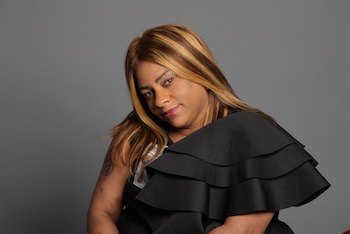
Dr. Shawanna Vaughn is a nationally recognized advocate, nonprofit executive, and community organizer dedicated to advancing justice, healing, and human dignity. In addition to our moderated Q&A, she will be presenting a documentary trailer about her work advocating for the identification of Post-Traumatic Prison Disorder as a consequence of incarceration.
Driven by both lived experience and professional expertise, she founded and is the Executive Director of Silent Cry Inc., an organization focused on addressing trauma, incarceration, and systemic inequities impacting marginalized communities, including providing trauma-informed care, reentry support, and community-based resources. Her work centers on healing, restoration, and creating pathways for stability and opportunity. Through her advocacy, public speaking, and policy engagement, she collaborates with policymakers, organizations, and communities to address poverty, violence, and the social determinants that impact quality of life. She works to influence legislation and shift narratives toward more humane and restorative approaches to justice.
Dr. Vaughn received an Honorary Doctorate in Humanities from the School of The Great Commission.
